Best Logistics Course in Kerala: Your Complete Career Guide
 General
Introduction
Are you considering a logistics course in Kerala to jumpstart your career in one of India's fastest-growing industries? With global trade expanding and e-commerce booming, the logistics and supply chain sector offers exceptional career opportunities for skilled professionals. Kerala, with its strategic location and thriving ports, has become a hub for logistics education, providing students with industry-relevant training and promising job prospects. In this guide, you'll discover how enrolling in the right logistics program can open doors to rewarding careers in supply chain management, freight forwarding, warehousing, and international trade.
Key Takeaways
Logistics courses in Kerala offer IATA-certified training with practical, industry-aligned curriculum tailored for modern supply chain demands
Students gain access to placement support connecting them with leading logistics companies, freight forwarders, and multinational corporations
Programs combine technical skills with soft skills development, including communication, problem-solving, and leadership training
Kerala's strategic location with major ports in Kochi and growing logistics infrastructure creates abundant local job opportunities
Understanding the Logistics Industry Landscape in Kerala
Kerala's logistics sector is experiencing unprecedented growth, driven by its coastal advantages and expanding industrial zones. The state's strategic location on the Arabian Sea, coupled with major ports like Cochin Port and Vallarpadam International Container Transshipment Terminal, positions it as a critical logistics gateway for South India. According to industry reports, the Indian logistics market is projected to reach $380 billion by 2025, with Kerala playing a significant role in this expansion.
The demand for trained logistics professionals in Kerala has surged across multiple sectors including shipping companies, freight forwarding agencies, third-party logistics providers, e-commerce giants, and manufacturing units. Companies like DP World, Maersk Line, DHL, and Blue Dart actively recruit qualified candidates from reputable training institutes. A logistics course in Kochi provides students with exposure to real-world logistics operations, port visits, and interaction with industry experts. This practical approach ensures graduates understand the complexities of modern supply chain management, from documentation and customs clearance to warehousing and last-mile delivery. The sector offers diverse career paths including logistics coordinator, supply chain analyst, customs specialist, warehouse manager, and freight operations executive.
Core Components of Quality Logistics Training Programs
Comprehensive logistics education combines theoretical knowledge with hands-on practical experience to prepare students for industry challenges. Quality programs cover essential subjects such as supply chain fundamentals, transportation management, inventory control, warehouse operations, international trade procedures, customs documentation, freight forwarding processes, and logistics technology systems. Students learn to use industry-standard software for shipment tracking, inventory management, and route optimization.
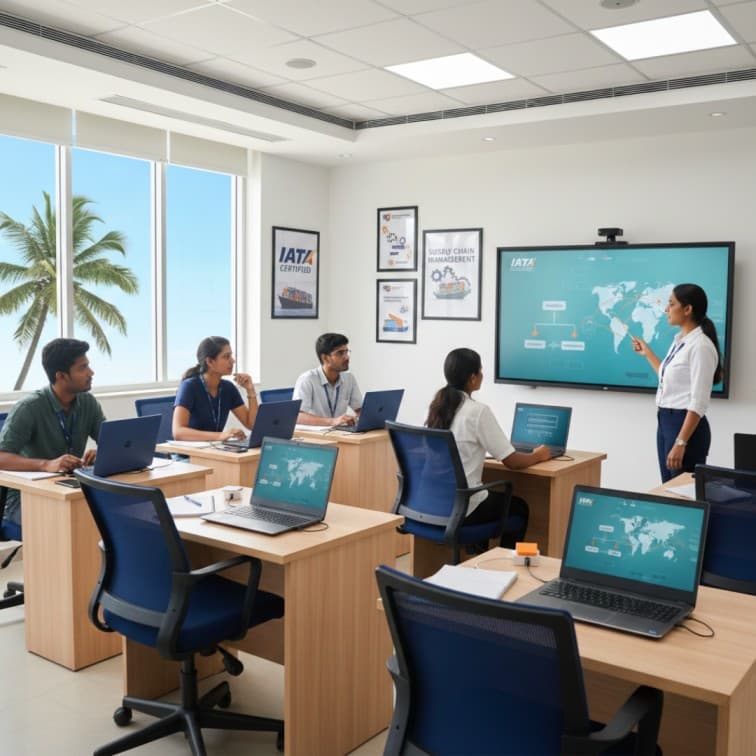
Accredited institutes like Guiders Academy structure their curriculum around industry requirements and global certifications. The best logistics courses incorporate practical training modules including container freight station visits, port operation demonstrations, documentation workshops, and case study analyses. Students engage with real logistics scenarios, learning to handle import-export documentation, calculate freight costs, manage vendor relationships, and resolve supply chain disruptions. Communication skills, negotiation techniques, and customer service training complement technical modules, ensuring graduates possess the well-rounded skill set employers seek. Industry tie-ups enable guest lectures from logistics professionals, internship opportunities with leading companies, and exposure to emerging trends like blockchain in supply chain, artificial intelligence for demand forecasting, and sustainable logistics practices.
Career Opportunities After Completing Logistics Courses
Graduates with logistics training can pursue diverse career paths across multiple industries with competitive salary packages. Entry-level positions typically include logistics coordinator, shipping executive, customs clearance assistant, warehouse operations executive, and freight forwarding officer. With experience, professionals advance to roles such as supply chain manager, operations head, procurement specialist, and logistics consultant, with salaries ranging from ₹3.5 lakhs to ₹12 lakhs annually depending on expertise and company size.
The job market for logistics course jobs extends beyond traditional shipping companies to include e-commerce platforms like Amazon and Flipkart, retail chains requiring distribution management, pharmaceutical companies needing cold chain expertise, automotive manufacturers managing component supply, and logistics technology startups. Kerala's growing IT sector also creates demand for logistics analysts who can leverage data analytics for supply chain optimization. International opportunities abound for qualified professionals, with positions in global logistics hubs like Dubai, Singapore, and Hong Kong. According to industry data, approximately 85% of logistics graduates from reputed institutes secure placement within six months of course completion. The sector's resilience during economic fluctuations and the increasing complexity of global trade ensure sustained demand for skilled logistics professionals.
Choosing the Right Institute for Logistics Education
Selecting an institute with proper accreditation, industry connections, and comprehensive training infrastructure is crucial for career success. When evaluating logistics training programs, consider factors such as curriculum alignment with current industry practices, faculty expertise and industry experience, availability of practical training facilities, placement track record and employer partnerships, certification recognition by domestic and international bodies, and student testimonials and alumni success stories.
Guiders Academy stands out among logistics institutes in Kerala by offering IATA-certified programs with partnerships across multinational logistics companies. The institute maintains modern training facilities including simulated documentation labs, logistics software training centers, and regular industrial visits to ports and warehouses. Their placement cell actively connects students with hiring companies, conducts interview preparation workshops, and facilitates internship opportunities. Look for institutes that offer flexible learning options including full-time diploma programs for fresh graduates, weekend batches for working professionals, and short-term certification courses for skill upgrades. The learning environment should encourage practical problem-solving through group projects, live case studies, and interactions with industry mentors who share real-world insights about logistics challenges and solutions.
Skill Development Beyond Technical Knowledge
Successful logistics professionals combine technical expertise with strong soft skills to navigate complex business environments effectively. While understanding freight documentation and warehouse operations forms the foundation, employers equally value communication abilities for coordinating with international clients, problem-solving skills to handle shipment delays and disruptions, negotiation expertise when dealing with vendors and carriers, attention to detail for accurate documentation and compliance, time management to handle multiple shipments simultaneously, and adaptability to changing regulations and market conditions.
Quality logistics courses after 12th incorporate personality development modules including business communication workshops to enhance written and verbal skills, presentation training for client interactions and team meetings, leadership development programs preparing students for managerial roles, stress management techniques for handling high-pressure situations, and cross-cultural communication for international business contexts. Many institutes organize mock interviews, group discussions, and role-playing exercises simulating real logistics scenarios like handling customer complaints, resolving customs issues, or managing warehouse emergencies. These experiences build confidence and prepare students for the dynamic nature of logistics careers where quick decision-making and clear communication can significantly impact business outcomes.
Investment and Returns: Course Fees and Career Prospects
Understanding the financial investment required for logistics education helps students make informed decisions about their career path. Logistics course fees in Kerala typically range from ₹40,000 to ₹1.5 lakhs depending on program duration and certification level. Diploma programs usually span 6-12 months, while degree courses like BBA in Logistics extend over three years. Short-term certification courses focusing on specific skills like customs procedures or warehouse management cost between ₹15,000 and ₹50,000.
When evaluating the return on investment, consider that entry-level logistics professionals earn starting salaries of ₹2.5-4 lakhs annually, with rapid growth potential as they gain experience and additional certifications. The logistics sector offers merit-based progression, where professionals demonstrating efficiency and innovation can advance quickly to managerial positions earning ₹8-15 lakhs or more within five years. Many institutes offer installment payment options, educational loans assistance, and scholarship opportunities for deserving students. According to placement data, the average time to recover course investment through salary earnings is approximately 12-18 months for diploma holders and 2-3 years for degree program graduates. The long-term career stability and growth potential in logistics make this investment worthwhile for individuals passionate about supply chain operations and international trade.
Future Trends Shaping Logistics Careers
The logistics industry is undergoing digital transformation, creating new opportunities for tech-savvy professionals with traditional logistics knowledge. Emerging technologies reshaping the sector include artificial intelligence for demand forecasting and route optimization, Internet of Things (IoT) devices for real-time shipment tracking, blockchain technology for transparent and secure documentation, automated warehouses with robotics and drones, and data analytics platforms for supply chain insights. Students pursuing logistics education today must familiarize themselves with these technologies to remain competitive.
Sustainability has become a major focus, with companies seeking professionals who understand green logistics practices, carbon footprint reduction strategies, reverse logistics for product returns and recycling, and sustainable packaging solutions. The growth of e-commerce continues driving demand for last-mile delivery experts, cross-border e-commerce specialists, and omnichannel logistics managers. According to McKinsey research, approximately 60% of current logistics activities could be automated or digitally enhanced within the next decade, emphasizing the importance of continuous learning and skill upgrades. Progressive logistics courses incorporate modules on emerging technologies and future trends, ensuring graduates enter the workforce prepared for both current requirements and future industry evolution. The professionals who combine foundational logistics knowledge with adaptability to technological change will lead the next generation of supply chain innovation.
Conclusion
A logistics course in Kerala offers an excellent pathway to a rewarding career in one of India's most dynamic industries. With comprehensive training covering supply chain fundamentals, practical skills development, and industry certifications, graduates are well-prepared for diverse roles across shipping, freight forwarding, warehousing, and supply chain management. Kerala's strategic advantages, including major ports and growing logistics infrastructure, create abundant local opportunities while providing a foundation for international careers. By choosing the right institute with strong industry connections and placement support, students can transform their career prospects and tap into the expanding logistics sector. Whether you're a fresh graduate or a working professional seeking skill enhancement, investing in quality logistics education positions you for long-term success in this essential industry. Ready to start your logistics career journey? Explore certified programs that align with your goals and take the first step toward becoming a supply chain professional.
Frequently Asked Questions
What is the best logistics course in Kerala?

The best logistics course in Kerala offers IATA certification, practical training, and placement support. Diploma programs in Shipping and Logistics Management provide comprehensive training in supply chain operations, customs procedures, and freight forwarding with industry-recognized credentials.
Which institute offers logistics course in Kochi?
Logistics courses in Kochi are offered by IATA-authorized institutes like Guiders Academy, providing diploma and degree programs with hands-on training. Students receive exposure to port operations, warehousing, and international trade procedures with excellent placement assistance.
What jobs can I get after a logistics course?
After completing a logistics course, jobs include logistics coordinator, freight forwarding executive, supply chain analyst, customs specialist, and warehouse manager. Entry-level salaries range from ₹2.5-4 lakhs annually with strong growth potential in multinational companies.
How long does a logistics course in Kerala take?
Logistics courses in Kerala range from 6 months for diploma programs to 3 years for degree courses like BBA in Logistics and Shipping Management. Short-term certification programs focusing on specific skills take 3-6 months to complete.
Is IATA certification important for logistics careers?
IATA certification significantly enhances employability in logistics and aviation sectors. It provides internationally recognized credentials, making graduates eligible for positions in airlines, freight forwarders, and global logistics companies across India and abroad with competitive salaries.
What is the fee structure for logistics courses in Kerala?
Logistics course fees in Kerala typically range from ₹40,000 to ₹1.5 lakhs depending on program duration and level. Diploma programs cost ₹60,000-80,000, while short-term certifications range from ₹15,000 to ₹50,000 with installment options available.
Can I study logistics courses while working?
Yes, many institutes offer weekend batches and evening classes for working professionals. Part-time diploma programs in logistics allow you to upgrade skills without career interruption, with flexible schedules accommodating job commitments effectively.
What skills are taught in logistics courses?
Logistics courses teach supply chain management, freight forwarding, customs documentation, warehouse operations, and international trade procedures. Students also develop soft skills including communication, problem-solving, negotiation, and leadership through practical training and industry interactions.
Are there placement opportunities after logistics courses?
Reputed institutes provide strong placement support with 75-90% placement rates within six months. Companies like DP World, Maersk, DHL, and logistics firms actively recruit qualified graduates through campus interviews and industry partnerships.
What is the salary after completing a logistics course in Kerala?
Entry-level logistics professionals in Kerala earn ₹2.5-4 lakhs annually. With 3-5 years experience, salaries increase to ₹6-8 lakhs. Senior positions like supply chain managers earn ₹10-15 lakhs or more based on expertise and company size.